










A Hands-On Look at Pedalboard Tone and Demos

A Hands-On Look at Pedalboard Tone and Demos
From phaser swirls to glassy delays, a pedalboard is a playground for shaping your guitar's voice. But beyond collecting pedals, the real craft lies in how you wire, interact with, and demonstrate those tones in a live or recorded demo. This article is a hands‑on guide to understanding pedalboard tone in practice, with a focus on how demos reveal (and sometimes conceal) what your signal is actually doing. Whether you're building a small pedalboard for gigging or curating a studio‑tight board for recording, the goal is the same: clarity, consistency, and controllable character that translates when the mic is off and when it's on.
What a Pedalboard Does and Why Tone Matters
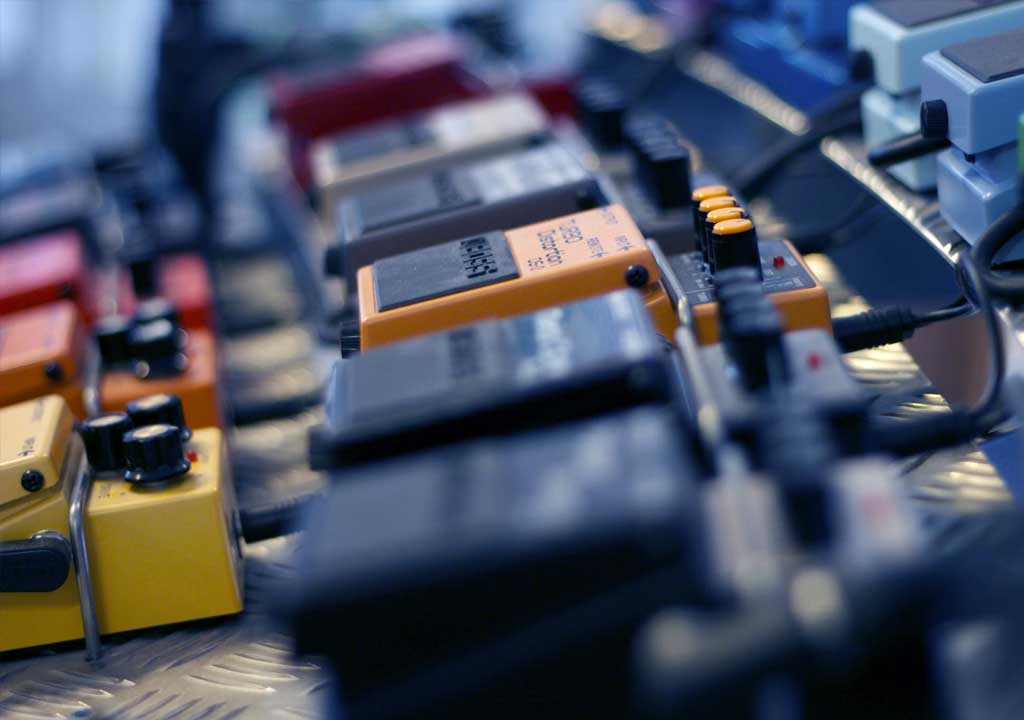
A pedalboard is more than a collection of effects. It's a signal‑flow strategy. Each pedal imposes its own gain structure, EQ quirks, dynamic response, and interaction with the rest of the chain. The result can feel "amp‑like" or "pedal‑ish," warm or aggressive, clean or roaring-all depending on how you pair pedals, how you power them, and how you set them in relation to your amp and guitar.
Tone matters because it communicates your musical intent. In a live setting, a well‑tuned board can deliver consistent response from venue to venue, even as rooms change. In a demo, tone quality and transparency tell your audience how a pedal actually behaves, not just what its knobs say. A pedal can sound lush in a shop but mushy in a mix if the chain isn't properly managed. The challenge-and the fun-of pedalboard tone is controlling variables to reveal what you want your audience to hear.
Getting Your Pedalboard Layout Right: Order and Power
The order of effects is a long‑standing topic in the guitar world, and while there's room for personal preference, certain conventions tend to yield more predictable, usable results. A common starting point is to place dynamics and filtering early, time‑based effects mid‑chain, and modulation and ambience later. A practical baseline looks like this:
- Gain section: compressor (optional), overdrive/distortion
- EQ/filters: graphic EQ, filter pedals
- Modulation: chorus, phaser, tremolo
- Time effects: delay, reverb
- Volume/end of chain: boost or volume pedal for solos
Of course, experimenting can yield musical and tonal payoffs. A transparent compressor early in the chain can tighten dynamics and enhance sustain for solos, while a fuzz placed before a clean boost can push the sustain into new tonal territory. The important thing is to listen critically as you rearrange, noting how each change alters note articulation, dynamics, and clarity in the mix.
Power is another critical factor. Cheap or noisy power supplies can introduce hum, ground loops, and ripple that mask articulate detail. A good multi‑output isolated supply helps keep hum at bay and maintains pedal interaction integrity. If your board uses a bunch of buffered, true‑bypass, and true‑bypass with buffering pedals, you'll notice power‑related differences when you add or swap guitars, amps, or even cable lengths.
The Core Pedal Types and Their Tonal Voices
Understanding tonal fingerprints helps you predict how a pedal will behave in a chain. Here's a practical breakdown of common categories and what they typically contribute to the signal:
Overdrive and Distortion
Overdrives are designed to push the front end of the amp or a preamp stage, typically preserving note dynamics and responding to pick attack. They tend to compress slightly, add harmonic complexity, and leave a clean‑to‑crunch range that feels "alive." Distortion and fuzz push harder, often creating a saturated, aggressive texture with pronounced midrange or scooped voicings. In a pedalboard, you'll often find a clean‑boost or light overdrive paired with a higher‑gain option for soloing or rhythm crunch.
Boosts and Dirty Boosts
Boost pedals sit in the chain to push other pedals or the amp harder. They can be transparent, adding volume without changing tone, or colored, imparting a gentle treble lift or midrange emphasis. A well‑placed boost before an amp can yield more touch sensitivity, while a post‑amp boost can drive a fuzz or overdrive harder without altering your pick attack noticeably.
Compression
Compression evens out dynamic extremes and can tighten a rhythm part or allow a long note to bloom. It's especially useful when you're playing polyphonic riffs or percussive picking patterns that need to stay even. The trick is to set the threshold and ratio so you preserve the articulation of your picking hand without making the signal sound squeezed or lifeless.
Modulation
Modulation pedals like chorus, phaser, and flange add movement and space. Used subtly, they widen your tone without sacrificing note clarity. In larger, louder contexts, modulation can become a distinct voice that sits in the mix and helps you cut through without resorting to more gain.
Delay and Reverb
Delays can range from tight slapback to long ambient trails. Tap tempo, subdivision options, and a mix control determine how much the delay sits in the front or the back of the mix. Reverb adds space and character, from plate to spring to hall. In demos, it's crucial to reveal how the pedal interacts with your guitar's sustain and your amp's natural reverb or tremolo if it's in the signal chain.
Setting Up for Demos: A Hands-On Protocol
A compelling demo is less about showing every knob and more about revealing the essence of how a pedal changes your sound in context. Here's a practical protocol you can follow when you set up a new pedal on your board and plan to record or perform a demo.
- Establish a clean baseline: Record or play a simple clean tone with your normal guitar setup. Listen for clarity, string definition, and any noise in your signal path.
- Introduce pedals one at a time: Add a pedal, test a few riffs, and note tonal changes. Keep notes on gain, tone, and dynamics for each step.
- Pause to compare: A/B the before and after states. If you hear muddiness or harshness, adjust the pedal's parameters or reposition it in the chain.
- Keep noise and hum in check: If you hear hiss or buzz, check grounding, cable quality, and power supply isolation. A quiet board makes the tone more transparent in a demo.
- Use a consistent touch and pick dynamics: Your playing should be the same across takes so differences come from the pedals, not your technique.
When you're demoing, a simple, repeatable approach helps audiences understand cause and effect. For example, start with a clean tone, record a short phrase, then activate the first pedal and play the same phrase again. Note the tonal changes, then repeat with each subsequent pedal. Finally, demonstrate a few combinations that show how pedals interact-just as a guitarist would in a real session.
How to Evaluate Tone in Demos
Evaluating tone during a demo is about clarity, character, and musical usefulness. Consider these criteria as you listen:
- Dynamic response: Does the pedal preserve or enhance your playing dynamics without sounding squashed?
- Frequency balance: Is there a consistent low end, balanced mids, and a usable high end, or does the pedal push too much of one region?
- Lead clarity: If you're using a boost or overdrive for solos, does your note separation stay intact when playing fast passages?
- Interaction: How does the pedal interact with your amp's gain structure? Are there unexpected mud or fizz when more gain is added?
- Space and contour: Do modulation and delays create a sense of space without washing out the core signal?
- Noise and headroom: Is the pedal chain quiet enough for recording or live playing? Does it clip or hiss under high gain?
A practical trick for demos is to describe what you hear in terms of guitar‑to‑amp interaction: when you roll back your volume, does the dirt clean up? When you dig into a note, does the effect respond musically, or does it feel artificial? Your listeners will respond to the storytelling as much as to the tonal color.
Recording and Reproducing Tone: The Studio vs Live Demos
Demos live on stage and in a studio can reveal different facets of your pedalboard. Live demos emphasize attack, pick dynamics, and how your board performs under pressure from a room, a crowd, and a PA system. Studio demos, on the other hand, let you emphasize nuance, headroom, and the pedal's interaction with a controlled environment of microphones, guitars, and preamps.
Two common approaches:
- Amp‑front recording: Capture the amp and cabinet with a close mic (e.g., SM57 or a dynamic mic), possibly blended with a room mic. The pedals sit in the chain before the amp, so the recorded tone reflects your actual signal flow.
- Direct‑recorded (Guitar DI) with amp simulation: If you're aiming for a clean, highly repeatable demonstration, you can DI the guitar after the pedalboard and use an amp‑sim plugin. This highlights the pedal's tonal character without room coloration, but it may require careful calibration to sound natural.
In either case, keep the signal chain as close to real life as possible. If you're using a cab sim, test a few speaker models to find the one that most faithfully reproduces your live tone. And always document your signal chain in the video description or the article so readers know exactly what they're hearing.
Case Studies: Three Demo Scenarios
To ground these ideas, here are three practical, believable demo scenarios you can try. Each scenario focuses on different tonal goals and demonstrates how to structure a narrative around pedal interactions.
Scenario A: Clean Platform with Subtle Color
Goal: A bright, glassy clean with a touch of shimmer from modulation and a subtle delay for space.
Setup: Strat or Tele with single coils or P‑90s. A modest compressor, a clean overdrive, a chorus, and a short‑to‑medium delay. A gentle plate reverb at the end for air.
Process: Start clean and then boost with a transparent pedal to push the amp gently into edge of breakup. Add chorus and listen for a widening of the stereo image without sacrificing note clarity. Bring in a short delay to give a sense of space on held notes, then add a touch of reverb to finish.
Demo notes to share: Focus on dynamic responsiveness, the subtle bloom when notes sustain, and how the modulation adds a sense of depth without crowding the core tone.
Scenario B: Mid Gain Rhythm Engine
Goal: A punchy rhythm tone that sits tight in a mix with clear cracks on chords and smooth sustain on arpeggios.
Setup: A compressor before a transparent OD, a small equalization tweak, a phaser for a touch of movement, and a medium‑length delay for width on solos. A light amp reverb for space on the tail.
Process: Build the rhythm part with careful dynamics. Increase OD gain to push the amp into a warm crunch, then step back occasionally to show how touch can vary the feel. Add a touch of phaser on the pickup changes to illustrate movement. Cap the demo with a short, synced delay under a clean arpeggio to demonstrate how the pedalboard glues the part together.
Demo notes to share: Emphasize how the board keeps the rhythm tight even as you switch between power chords and more delicate arpeggios. Highlight the role of the compressor in sustain control without squashing dynamics.
Scenario C: Ambient Lead Texture
Goal: A lush, cinematic lead tone with long delays, tasteful modulation, and subtle verb tails.
Setup: A high‑gain or medium‑gain platform with a boost for solos, a modulation suite with a slow chorus or phaser, a long, modulatable delay, and a generous plate or hall reverb.
Process: Begin with a clean lead tone, then introduce the boost to push the lead into a sustain‑rich region. Layer modulation for movement, then tour the echo with a long delay that trails behind the note while the reverb creates space. Play a descending melodic line to reveal how the pedals sustain and articulate long notes.
Demo notes to share: Talk about how ambience can be controlled with arrangement of the delays and how the boost helps bring the lead silhouette out of the mix in a live setting.
Tips for Sharing Demos and Building an Audience
If you're posting demos online, here are practical tips to maximize clarity and engagement.
- Be explicit about your rig: List your guitar, pickups, amp (or amp model), and every pedal in your chain. A timestamped breakdown in the video description helps viewers reproduce the tone.
- Use a consistent reference take: A short, repeatable lick or phrase ensures every pedal swap is measured against the same baseline.
- Explain the knobs: Briefly describe why you set gain, tone, and level where you did. Your reasoning helps viewers learn how to approach similar gear.
- Record with reliable audio: If you're video‑centric, pair crisp video with clean audio. A direct mic on the cab, a close dynamic mic, or a high‑quality interface capture can reveal nuances that a smartphone mic might miss.
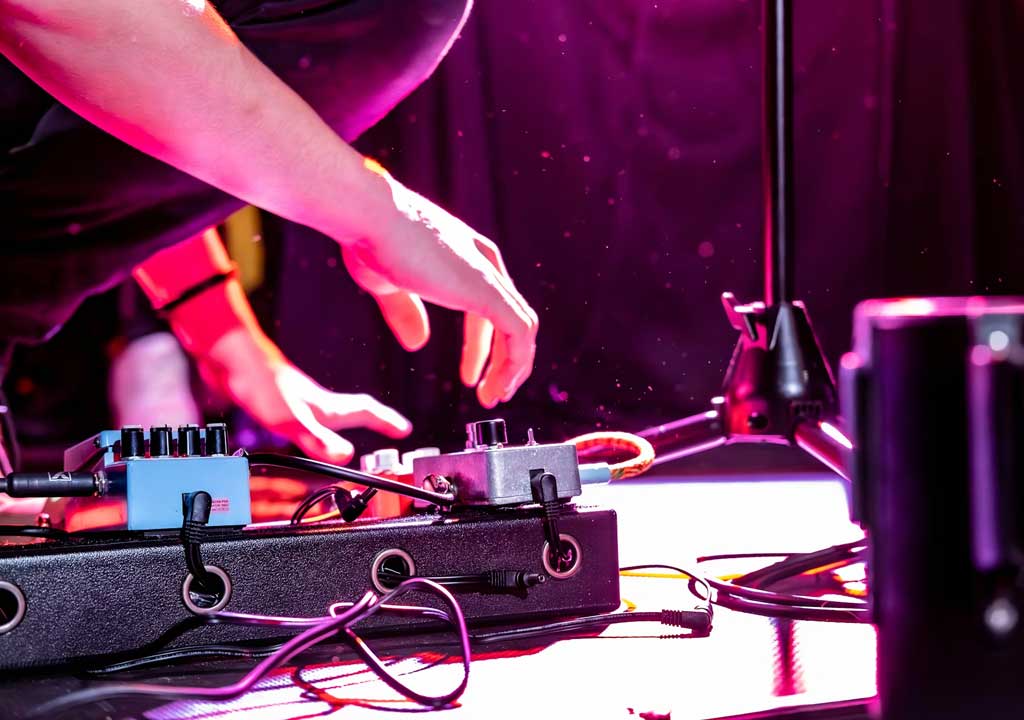
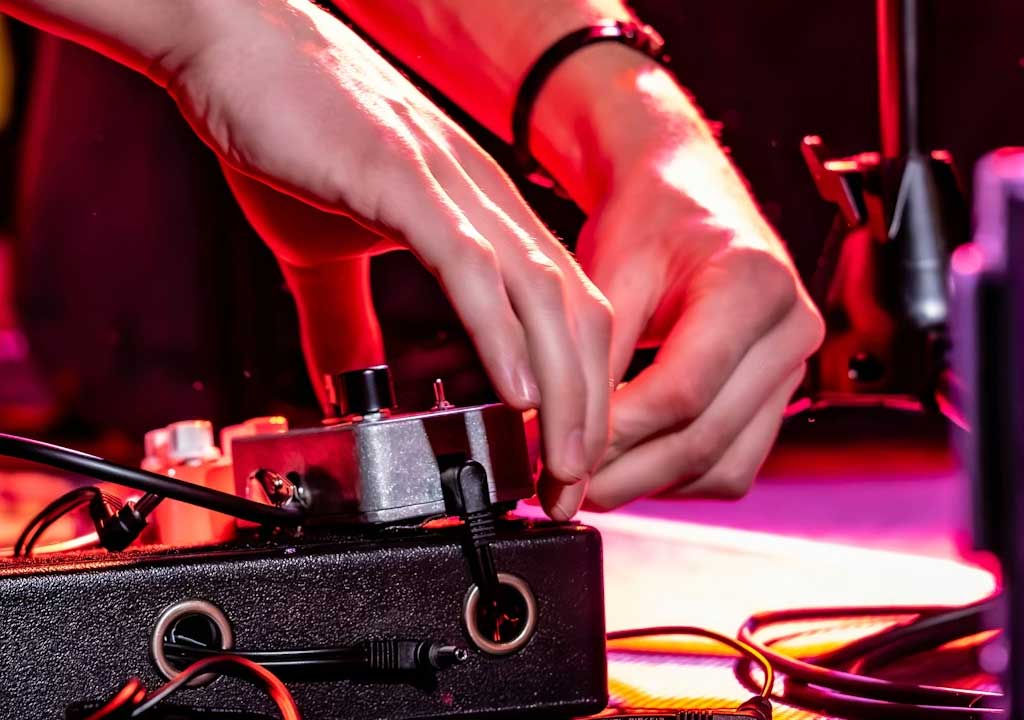
- Balance visuals and sound: Show the board in shot while you play. A split camera or screen overlay can help viewers correlate pedal work with tone changes.
Remember, a great demo isn't just about the best possible sound-it's about delivering an honest, reproducible account of what the pedals do. When viewers feel they can replicate the tone with similar gear, they'll trust your content and keep coming back for more.
Common Pitfalls to Avoid in Demos
Demos can unintentionally misrepresent pedals if certain pitfalls aren't addressed. Here are a few to watch out for.
- Over‑processing: Too many pedals or excessive effects can cloud the core tone. If you can't hear the pedal's color clearly, trim the chain.
- Unstable power: Using mismatched supplies or long daisy‑chain runs can introduce noise that obscures tone. Use isolated outputs and keep cables tidy.
- Inconsistent technique: Subtle changes in picking dynamics between takes can fool listeners into thinking a pedal has changed tonally. Normalize your playing as much as possible.
- Inaccurate descriptions: Don't claim a pedal does something it doesn't. If a pedal's effect is subtle, say so and demonstrate with a controlled example.
- Unclear audience context: Without context about genre or guitar, viewers may struggle to interpret the tone. Provide a quick note on the musical setting and the kind of music you're aiming to emulate.
What Makes a Good Pedalboard Demo
A good pedalboard demo blends technical clarity with musical storytelling. Here are characteristics of successful demos:
- Transparency: The speaker communicates exactly what changes with each pedal. Listeners know what to listen for, not just what to expect emotionally.
- Context: The demo references a genre, a guitar type, and an amp scenario so viewers can imagine how the tone fits their own setup.
- Reproducibility: The steps, gear, and settings are described enough that a viewer can attempt a similar sound at home.
- Dynamic range: The demo captures both the aggressive and subtle ends of the tone, including clean sections, crunch, and sustainy leads.
- Organization: A logical, progressive build guides the listener through the tonal landscape rather than jumping around chaotically.
If you're creating content, consider a short "before and after" structure for each pedal: show baseline tone, then show the effect in action, then summarize the net tonal change. Pair this with a brief commentary on any notable interaction with your guitar's controls and your amp's settings.
DIY Techniques to Elevate Your Demos
Even with modest gear, you can produce compelling demos that sound professional. Here are some practical techniques:
- Use a looper for consistency: A short loop lets you re‑target the same phrase across pedal changes, ensuring your ears compare apples to apples.
- Record multiple takes: If a pedal seems to react differently depending on playing style, capture two or three takes to illustrate the variance.
- Quantify with meters: In video, you can add on‑screen meters showing volume and midrange/treble levels to help audiences grasp tonal shifts.
- Match loudness: Normalize the loudness of different segments in your video so one section isn't louder just because a pedal is louder. Consistent loudness helps focus on tone, not level.
- Share your chain with diagrams: A simple ASCII or image diagram of your pedal order in the video description helps followers replicate the setup.
Ambition and patience pay off. A thoughtful, well‑paced demo that teaches something practical is more valuable than a maximal gain wipeout of a 10‑street pedalboard that sounds impressive in isolation but unsustainable in a real song.
Wrapping It Up: A Personal Narrative on Pedalboard Tone
At the end of the day, pedalboard tone is about shaping a personal voice. The most effective demos do more than show what a pedal can do; they show how a player makes the pedal part of a living musical conversation. When you craft a board, you're building a toolkit that enables you to respond to the room, the band, and the moment. When you demo, you're translating that toolkit into a story others can hear, feel, and try themselves.
So, approach your pedalboard as both a sculptor and a narrator. Sculpt the tonal mass with purposeful order, clean power, and careful gain staging. Narrate the journey of a tone with measured demos, clear explanations, and demonstrations that invite your audience to listen beyond the gadgetry to the music they can create with their own hands.
Whether you're chasing a pristine clean, a glassy edge of breakup, a mid‑range rhythm sound, or a lush ambient lead, the secret is not merely which pedals you own, but how you use them together. The best boards deliver expressive range, reliability, and a sound that remains unmistakably yours no matter where you play or how you record.
Final Checklist for a Great Demo
Before you hit record, run through this quick checklist to maximize your demo's impact:
- Have a clean baseline and a clear goal for the pedal you're introducing.
- Verify power and cable integrity to reduce noise and hum.
- Document your exact signal chain and settings in the description or notes.
- Provide a short, repeatable lick or phrase for A/B comparisons.
- Include a brief discussion of how the pedal would fit in a typical band setting.
Conclusion
A pedalboard is a dynamic tool for shaping your guitar's voice, and a good demo is a bridge between what your gear can do in a controlled environment and what it can do in a band, in a room, or in a listener's headphones. By focusing on thoughtful pedal order, reliable power, clear demonstrations, and honest descriptions, you'll produce demos that educate, entertain, and inspire others to explore their own tonal possibilities. Pedalboard tone isn't a fixed destination; it's a living practice-the art of knowing when to push, when to pull back, and how to tell the story of your sound with clarity and personality.
LIKED THIS ARTICLE? SHARE IT: