










Travel-Friendly Pedalboard Setups for Venues of All Sizes

Travel-Friendly Pedalboard Setups for Venues of All Sizes
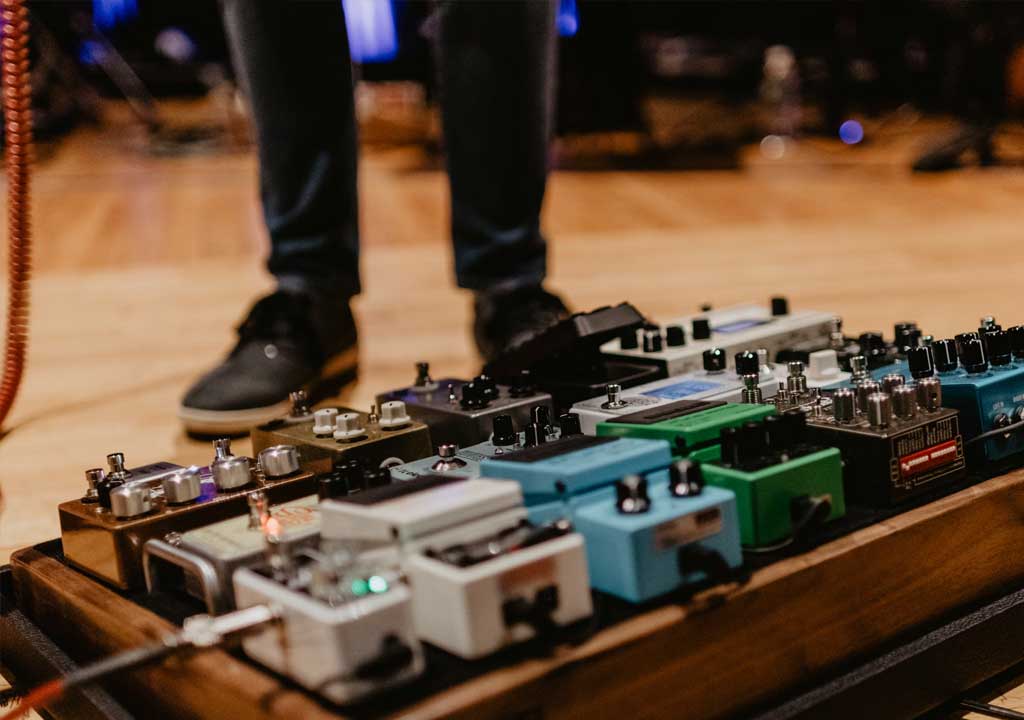
Touring musicians know that gear choices can make or break a show, and the difference between a smooth gig and a frantic scramble often comes down to a well-thought-out pedalboard strategy. The key is portability without compromising tone, reliability, or flexibility. Whether you're playing a tiny coffee shop, a mid-sized club, or a grand theater, a travel-friendly pedalboard setup helps you stay consistent, confident, and ready to adapt to whatever the stage throws at you. This guide walks you through practical approaches to optimize your rig for travel while keeping your sound intact across venues of all sizes.
Know your venues and plan accordingly
Before you even pack a pedalboard, take a moment to map out what you're likely to encounter on tour. Small clubs and lounges have limited stage real estate, variable power outlets, and often a noisy backline supply. Mid-sized rooms might offer better backline support but still demand a compact, reliable footprint, while large theaters may provide a more predictable power environment but require a robust, transportable system that can be loaded in quickly by a crew. The common thread is: you don't want to adapt your tone or your setup on every gig. A travel-friendly rig minimizes surprises and helps you deliver your best performance on night one and night thirty.
To tailor your board for each scenario, consider three core questions: How much space do I realistically have on stage? How will I power my pedals reliably without lugging a mountain of adapters? How can I simplify patching and setup so I can dial in quickly when the soundcheck grid is tight? The answers-in most cases-lead to a modular, lightweight, and power-conscious approach that scales from club stages to theaters.
Right-sized boards and modular designs
Portability starts with size. A compact, well-organized board is far more travel-friendly than a sprawling rig, even if the latter can accommodate more pedals. When you're on the road, less is often more: fewer pedals with a well-thought-out patch layout can cover more musical territory than a sprawling setup that's constantly tangled and prone to mispatching in dim backstage lighting. Look for boards that are small enough to fit in carry-on or a single flight case, but modular enough to be expanded if a gig actually requires it.
Two practical approaches work well in practice:
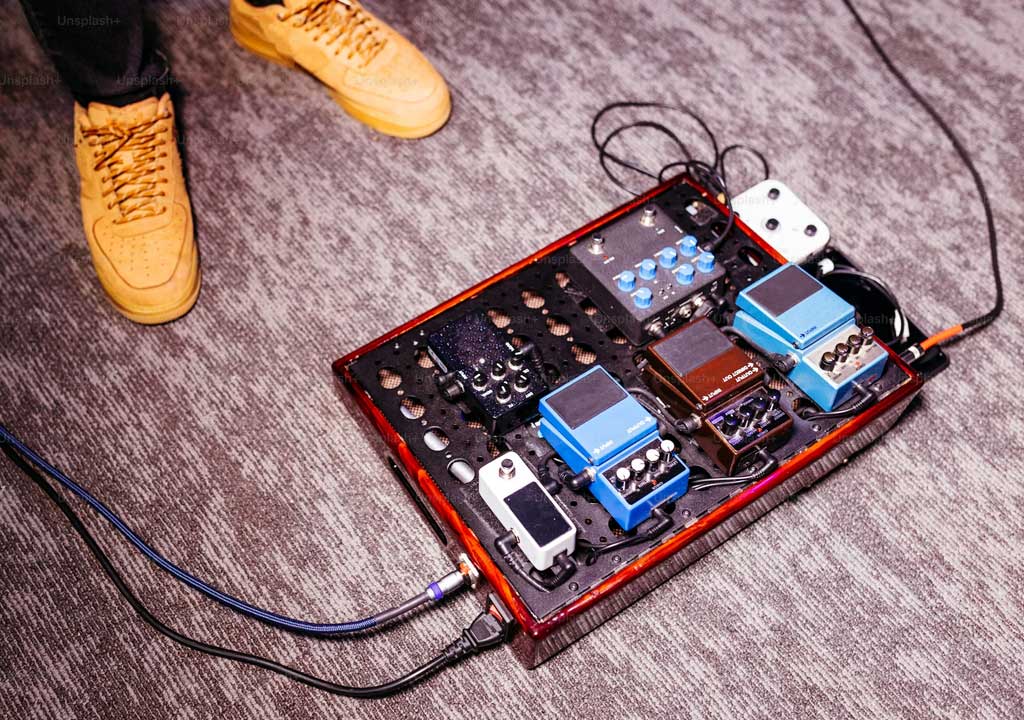
- Compact, all-in-one boards (12-18 inches wide) that hold between 4 and 8 pedals. These boards are ideal for single-sound-guy loads or quick intercities where you know you won't be swapping gear mid-tour. They're light, fast to load, and easy to cover with a sturdy case or gig bag.
- Modular, detachable sections. A main "core" board (for most gigs) plus a small add-on or a second, ultra-compact board can be linked together when you have more space or a longer set time. In practice, you might run your main clean/drive section on the core board and attach a modulation or delay module as needed. The modular approach gives you flexibility without sacrificing travel efficiency.
For most players, a travel-friendly configuration sits in the 6-8 pedal range for the core board, with optional, easily attachable modules. The exact number isn't as important as how cleanly you can route power and signal, how quickly you can patch on stage, and how durable the setup is on bumpy flights and club floors.
Power strategy: reliable, compact, and quiet
A traveling pedalboard is only as strong as its power supply. In a touring scenario you'll face unpredictable outlets, shared power strips, and sometimes less-than-ideal stage mains. Your goal is to deliver clean, isolated power to every pedal with minimal noise and without heavy, fragile daisy-chaining. The right power strategy keeps your tone consistent across venues and reduces the chance of hum, ground loops, or pedal-induced noise becoming a problem during a performance.
Key power considerations for travel-friendly setups:
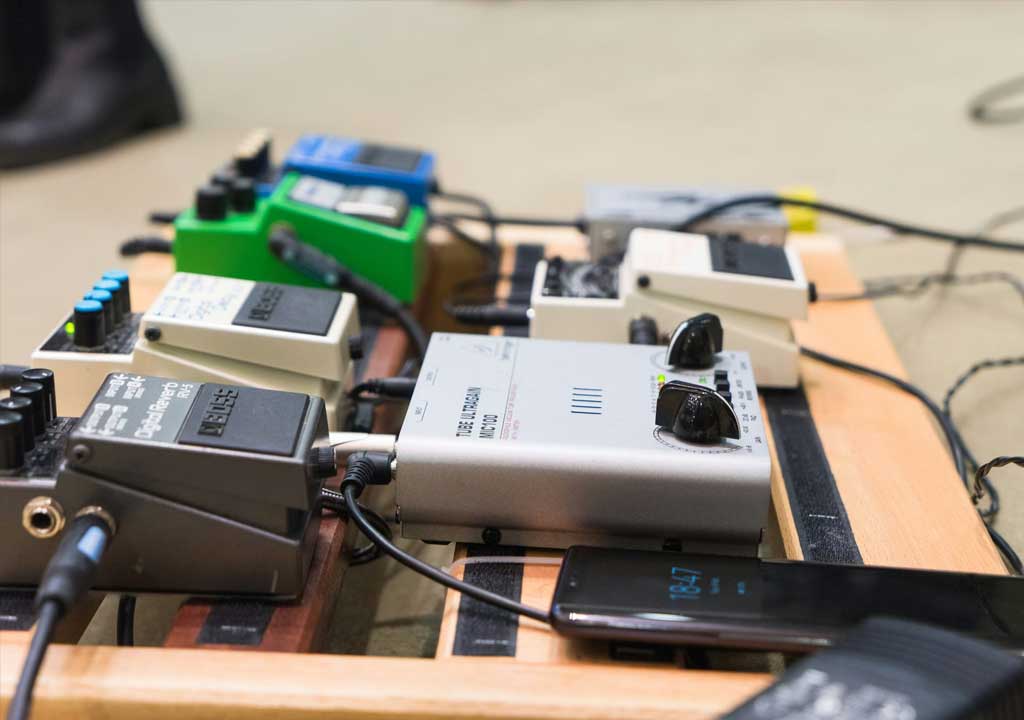
- Use an isolated power supply with multiple outputs. Isolated outputs prevent one pedal's current draw from affecting others, reducing noise and crosstalk. Look for supplies with 6-8 isolated outputs as a baseline for a compact board; larger boards can benefit from 10+ outputs.
- Prefer dedicated pedal power bricks over wall-wart daisy-chains. A single, high-quality power brick is far more reliable on the road than a bundle of wall-warts, which can hum, buzz, or fail unexpectedly when power at a venue is inconsistent.
- Mind the voltage and polarity. Most guitar pedals run on 9V DC, but some boutique pedals require 12V or 18V. Use a supply that covers your entire pedal set with the correct polarity. If you carry occasional oddball pedals, consider a supply that supports adjustable voltages or take a small step-down/step-up converter as a backup plan.
- Keep power cables organized and labeled. A simple labeling system (e.g., front row = core pedals, back row = modulation, side row = volume or tuner) makes it easy to reconfigure quickly if a stage setup changes. Velcro cable ties, color-coded DC jacks, and short, straight cables reduce clutter and the chance you'll trip a cable during setup. A tidy power layout also makes troubleshooting faster if you notice hum or silence during soundcheck.
Pro tip: when you're flying, you'll often be dealing with different outlets and power strips. If possible, carry a compact power strip designed for traveling, with a surge protector and a small footprint. Use it only as a backup plan for venues that can't accommodate your dedicated power brick; otherwise, your isolated brick should be your power source of record.
Signal chain, pedal order, and buffer considerations
Getting the signal chain right is essential, especially when you travel and your stage footprint is small. A consistent signal chain helps you preserve tone, even if you're playing through a different backline or a remote DI. A practical starting point for most players is to maintain a familiar order that's easy to re-create quickly between venues:
1) Tuner (front of chain) - It's easiest to tune without affecting the rest of the signal path.
2) Tactile dynamics/boost or compressor - A light touch of gain or a compressor early in the chain can preserve your dynamics and keep your signal consistent into drive pedals.
3) Dynamic drive/overdrive - Place your drive pedals next so you can dish out rhythm or lead tones easily.
4) Modulation (phaser, chorus, flanger) - Modulations tend to be more atmospheric and often sound best after your fundamental tone is established.
5) Time-based effects (reverb, delay, shimmer) - These are typically placed last to preserve their tail and to avoid muddying the dry tone early in the chain.
6) Volume or expression pedal (on the end or in a comfortable spot for quick access) - If you use an expression pedal for volume or a dynamic effect, keep it in a place you can hit without re-plugging cables.
Buffer considerations are crucial when you have a tight board or many true-bypass pedals. If you're running a compact board with 4-6 pedals, a buffer pedal near the front can help preserve tone across long cable runs or when you need to pass signal through heavily buffered or true-bypass gear. Alternatively, you can rely on a pedal with a built-in buffer; the key is consistency. If you've added pedals with long signal paths and sometimes experience tone loss, a small, high-quality buffer placed early in the chain can be a game-changer on the road.
Casework, transport, and airline travel: protecting your rig
Protecting the pedals and the board during transport is as important as the gear itself. A travel-friendly setup should be housed in a sturdy, padded case that can survive rough handling and frequent set changes. Here are practical options and best practices:
- Hard-shell pedalboard cases with foam inserts provide excellent protection and stackability in a van or cargo hold. These cases often have recessed wheels or side handles to simplify loading and unloadings and are designed to endure the rigors of touring life.
- Soft gig bags with reinforced panels can work for lighter travel or quick flights when your core board rides on your back or in a carry-on. For additional protection, add a slim, rigid lid to prevent bending of pedals during transfer between venues.
- Flight cases with custom foam inserts offer the highest protection for longer tours or higher-risk transport. They're heavier but give you confidence that your investment will survive repeated stage ramps, tailgates, and loading dock hustle.
Carrier considerations for air travel:
- Lithium batteries: If you transport pedal power supplies or pedals with built-in batteries, keep within airline guidelines. Spare lithium batteries must be carried in carry-on baggage and must be within allowed watt-hour limits; check airline rules before you travel. When possible, select pedals that draw power from a common supply rather than relying on removable batteries, which can complicate security checks and battery safety rules.
- Labeling and inventory: Prepare a lightweight packing list with a photo of your board arranged as you plug it in. Include a quick-reference patch cable map so you can re-create your setup on arrival without digging through bags.
- Break-down and reassembly routine: Practice a rapid "board-to-case" routine at home. In a typical backstage room, you have a few minutes to set up, so having a repeatable process-unlatch case, remove foam, connect your power brick, patch your signal-reduces stress and helps you soundcheck efficiently.
Template setups for three venue tiers: small, medium, large
To give you concrete options, here are three travel-ready templates you can adapt. They balance footprint, reliability, and tonal flexibility while staying practical for touring. Each template assumes you're using a compact power supply with multiple outputs and articulates a recommended pedal layout and purpose for the stage. Replace pedal types with your own gear as needed, but keep the power and patching principles intact.
Small venue template (cliff-edge gear, tight stage)
Core board: 5-6 pedals, 12-14 inches wide. Power: 1-2 power bricks or a compact 6-output isolated supply. Case: lightweight hard case with foam inserts.
Suggested lineup and purpose:
- Tuner in front for quick tuning between songs.
- Buffer or clean boost to keep signal intact into the drive pedals.
- Light overdrive or boost for tone shaping and lifting solos, placed early in the chain so it interacts predictably with other effects.
- Modulation (chorus, phaser) kept simple for space; a single modulation option can cover a large portion of songs without clutter.
- Delay or reverb as the go-to ambience; one time-based effect is enough to create space without overloading your signal in a small room.
- Volume pedal or a simple expression pedal at the end so you can control overall output without re-patching.
Stage logistics tips for small rooms:
- Place a DI box after your last pedal and run direct to the mixer; this reduces reliance on stage amps and helps in environments with noisy backlines.
- Use a short patch-cable set (6-12 inches) so the board stays clean in a crowded stage corner.
- Keep a spare spare cable and a small tool kit in the case for quick fixes at soundcheck.
Medium venue template (more space, more songs)
Core board: 6-8 pedals, 18-20 inches wide. Power: a robust multi-output isolated power supply; optional second board add-on for modulation or effects. Case: reinforced case with wheels or a three-sided lid for quick access.
Suggested lineup and purpose:
- Tuner front and a solid buffer or clean boost to preserve signal across more pedals.
- A mild overdrive or boost to be used as a rhythm channel, plus a dedicated crunch or lead pedal for dynamic passages.
- One modulation plus one delay or reverb for textural variety; keep the second modulation or the more functional one ready for quick changes in setlists.
- An ambient or expansive delay can help fill out the sound on larger stages without overpowering the mixer's headroom.
- A volume pedal or expression pedal for live control over dynamics and effects (especially in longer sets).
Stage logistics tips for medium rooms:
- Run your signal through a DI box with a subtle ground lift to minimize hum from your immediate surroundings.
- Label each cable clearly and use a tidy cable management system to keep the area behind the board navigable for the tech crew.
- Consider a small booster or limiter for venues with challenging PA acoustics; you can ride it in and out to shape the tone as needed.
Large venue template (full band, bigger PA, longer sets)
Core board: 8-10 pedals, 22-26 inches wide. Power: large multi-output isolated supply; optional second, dedicated power feed for a teleplayer's board if you're sharing a backline. Case: rugged road case with wheels and secure latches.
Suggested lineup and purpose:
- Tuner at the front with a buffer to lock in the tone through a long chain.
- A more elaborate drive setup (flavorful overdrives, a transparent boost) for dynamic control across songs.
- A modular modulation section (chorus, phaser, tremolo) with at least one robust delay and a longer, more expansive reverb to fill the larger stage space.
- A dedicated volume pedal for expressive control and a looper for practice or quick layered textures (if your style supports looping on stage).
- An always-on re-amp or DI option, enabling you to adapt to front-of-house preferences quickly and maintain consistent stage tone.
Stage logistics tips for large rooms:
- Coordinate with the front-of-house engineer about your DI preference, whether you want your own direct signal or a re-amped sound during the set.
- Pre-string your patch cables in color-coded loops for easy reconfiguration on the fly during soundcheck.
- Keep a spare power brick and a compact assortment of spare patch cables in the case; large rooms often have more demanding on-site power demands or longer cable runs.
Cable management and maintenance on the road
One of the most overlooked aspects of travel-friendly setups is cable management. A neat, well-labeled board saves time, reduces stage clutter, and minimizes the risk of tripping hazards during setup or teardown. Here are robust practices to keep your cables tidy and reliable on tour:
- Pre-route your cables and secure them with low-profile Velcro ties. Use short, straight patch cables where possible to minimize drag and snags on stage.
- Color-code your cables by function or by pedal group, and label the power cables separately from the audio signal cables. A small label printer or even simple masking tape with a marker can be enough for quick organization.
- Use right-angle jacks for pedal inputs and outputs when possible. Right-angle connectors take up less space and reduce the chance of cables pulling at the jacks during movement on stage or in transit.
- Keep a spare patch cable set in your case. Road wear happens, and a single broken patch can derail your entire setup. A small bag of spare cables is a wise investment for touring players.
- Maintain your power supply cable management. Route power cabling away from signal cables to minimize the chance of cross-talk or hum. Use ferrite beads where applicable and ensure all cables are properly supported to avoid eventual wear at the connectors.
Reliability, backup, and on-the-road contingencies
A touring pedalboard is only as reliable as its backup plan. When you're traveling, you'll benefit from having a few simple redundancies that can save a gig when something goes wrong.
- Spare power supply or power adapters: Carry a small, compatible backup power supply and spare DC cables. A failure in a power supply can leave you stranded mid-set, so a hot-swappable backup is worth its weight in audio calm.
- Spare patch cables: A small assortment of 6-12 inch patch cables at home in the board or a backup bag ensures you can quickly patch around a failed connection without tearing apart your board.
- Quick diagnostic routine: Have a simple checklist: check the tuner, test outputs to DI, verify the signal by muting and unmuting your chain, confirm the final output to FOH. A clear, short routine saves time during soundcheck and avoids panic on stage.
Quick setup and teardown workflow for touring
Time is often your enemy in a busy tour environment. A predictable setup sequence saves you from the last-minute scramble and keeps your performance schedule intact. Here's a practical workflow to streamline your on-stage routine:
- Arrive with the board pre-patched for your typical song list. Keep the most-used patches wired and ready to go.
- Open your case, place the board on a stable surface, and connect the power supply.
- Check the tuner, then step through the core drive section to confirm the basic tone is as expected.
- Plug your DI box into the stage signal flow and verify the FOH feed with a quick soundcheck.
- Reconfirm your modulation and time-based effects are in their intended order.
- Do a final "live sweep" through your patch to ensure quick adaptability during the show.
Budget-friendly travel hacks and gear ideas
Travel-friendly gear doesn't have to break the bank. You can assemble a robust rig with thoughtful selections and a little DIY mindset. Here are a few practical ideas that keep costs down while maintaining performance quality:
- Choose a single, versatile overdrive that can function as a boost for crunch or lead lines, reducing the need for multiple high-gain pedals on the road.
- Opt for a compact modulation pedal with a couple of editable presets rather than multiple dedicated pedals. It reduces footprint and weight while offering tonal variety.
- Invest in a high-quality, compact power brick rather than several smaller adapters; this helps reduce weight, improves reliability, and simplifies packing.
- Use a small, travel-friendly pedalboard case with good padding and wheels; durability matters more on tour than cosmetic elegance.
Putting it all together: a sample travel-ready setup narrative
Let's imagine you're a guitarist heading out on a multi-city tour with a small backline footprint. You've chosen a 6-pedal core board on a 14-inch-wide platform, powered by a compact 8-output isolated supply. Your board is arranged as follows: tuner at the front, a light clean boost for a consistent front-end, a mild overdrive for rhythm parts, a versatile modulation pedal, a delay pedal for ambience, and a volume pedal at the end for dynamic control. The board is mounted on a slim, rugged case with foam inserts and a lid for protection between venues. You label the cables by function, use color-coded DC jacks to avoid cross-wiring, and you've bundled a small kit of spare cables and a backup power supply in the bottom of the case. When you arrive at a new venue, you unload the case, set the board on the stage, connect your power, run your DI, and within a few minutes you're ready to soundcheck. The soundcheck confirms your tone remains consistent from venue to venue, the backline remains unintrusive, and you can confidently deliver your set. This is the essence of travel-friendly pedalboard design: simplicity, reliability, and flexibility, without sacrificing musical expression.
Final thoughts: designing for travel without compromising your art
Travel-ready pedalboard setups aren't just about shrinking gear; they're about designing a workflow that honors your musicianship in changing environments. The most successful touring rigs balance compact form, robust power, clean signal management, and a clear, repeatable setup routine. The goal is to be prepared for any venue, not to become dependent on a single backline. By choosing compact, modular boards; organizing power intelligently; and maintaining a tidy, modular patch system, you can deliver consistent tone across all stages and tour, whether you're playing to a handful of patrons or thousands of attendees.
As you refine your own travel board, keep these guiding principles in mind: keep the footprint small but adaptable, power the rig with isolated, multi-output supplies, arrange your signal chain for predictable results, and establish a fast, repeatable on-stage workflow. With a little planning, you'll arrive at every venue knowing your tone will travel with you-no matter the room, no matter the crowd, no matter the flight path. Travel-friendly setups aren't a compromise; they're a path to consistency, reliability, and musical freedom on the road.
Whether you're a solo fingerstyle player, a pedal-heavy indie act, or a touring rock band, the right travel pedalboard can become your best friend. Start small, design with modularity in mind, and build toward a system that fits into your life on the road. Your future gigs will benefit from a rig that's as dependable as your stage presence-light enough to carry, sturdy enough to survive, and versatile enough to cover the sonic ground you need to conquer on any night. Safe travels, steady tone, and rock-solid performances wherever the tour takes you.
LIKED THIS ARTICLE? SHARE IT: